
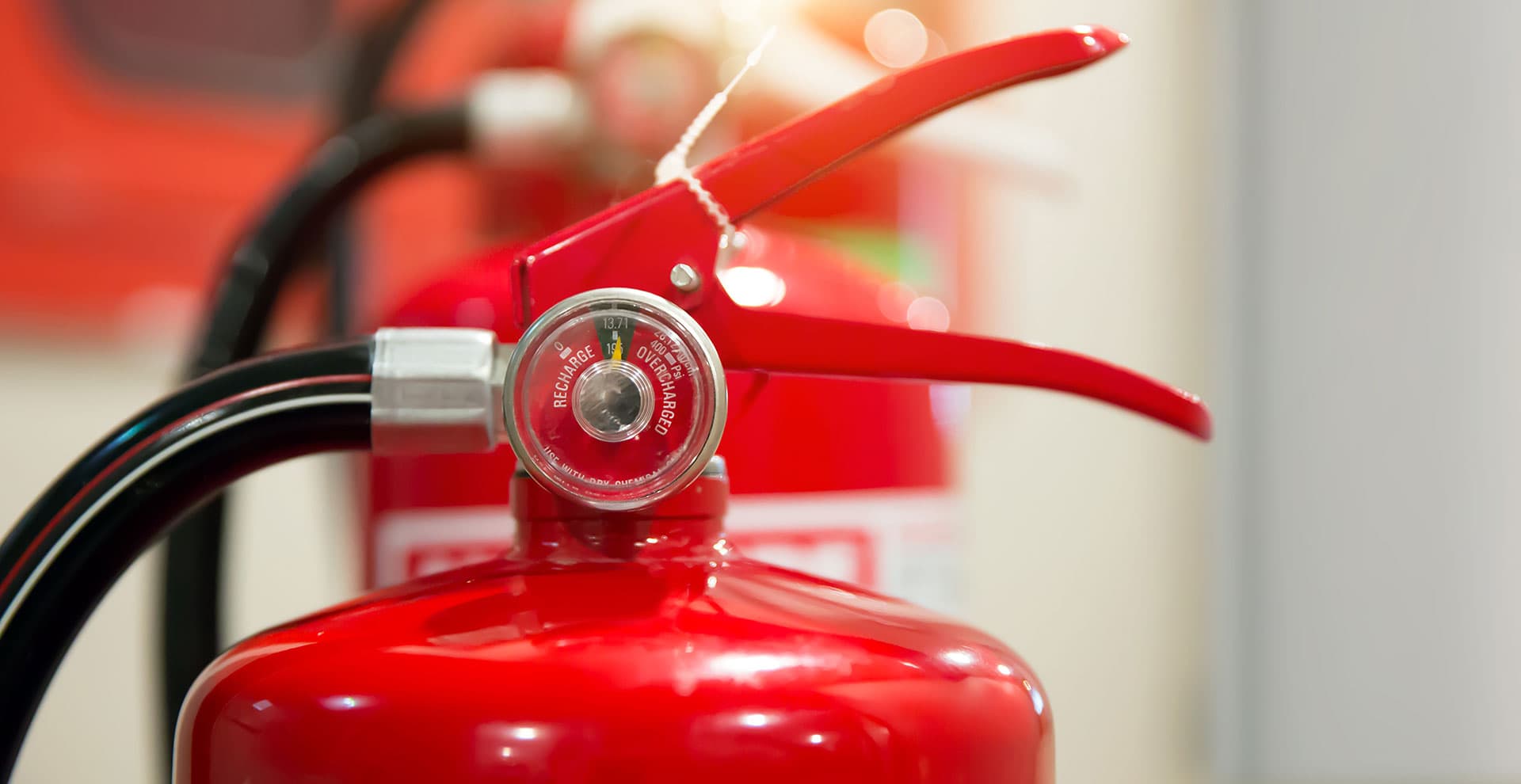
Fire Suppression
Fire suppression systems extinguish fires without water, protecting equipment and spaces where sprinkler discharge would cause unacceptable damage. FarHeater Engineering designs clean agent, CO2, and foam-based suppression for sensitive and high-hazard facilities.
Fire suppression systems extinguish fires without water, protecting equipment and spaces where sprinkler discharge would cause unacceptable damage. FarHeater Engineering designs clean agent, CO2, and foam-based suppression for sensitive and high-hazard facilities.
In addition to sprinkler systems, we offer advanced fire suppression solutions for facilities with unique requirements. Our team designs custom systems that include clean agent suppression for sensitive environments, CO₂ systems for industrial applications, and foam-based solutions for areas with high fire risks. Every system is engineered to meet or exceed national and local regulations, providing efficient and dependable fire protection. We understand that every second counts in an emergency, which is why our suppression systems are designed to activate quickly and effectively, minimizing damage and safeguarding lives.
When water is the wrong answer
Sprinklers protect most buildings well, but there are spaces where the water that puts out the fire causes more loss than the fire itself. Data centres and server rooms, main electrical rooms, archives and record storage, control rooms and some laboratory areas all fall into that category. In those spaces a clean agent or gaseous system suppresses the fire without leaving residue and without soaking the equipment it is protecting. The decision is driven by what the room contains and what it would cost to lose, and it is usually taken alongside, not instead of, the building's sprinkler protection.
Clean agent selection and the room that holds it
A gaseous system only works if the enclosure retains the agent long enough to extinguish the fire and prevent re-ignition. That means the design is as much about the room as the agent: we calculate the required design concentration and hold time, then confirm the enclosure can achieve it, typically verified by a door fan integrity test. Agent selection has also shifted, with chemical clean agents giving way to fluoroketone and inert gas systems as environmental regulation tightens. Room penetrations, dampers and pressure relief all have to be designed in, because an unsealed cable tray will defeat an otherwise correct system.
Designing to NFPA and coordinating with the building
Clean agent systems are designed to NFPA 2001, carbon dioxide systems to NFPA 12, and wet and dry chemical systems to NFPA 17A and NFPA 17, all within the framework of the Ontario Building Code and CAN/ULC requirements. Carbon dioxide carries a life-safety hazard at design concentration, so it is restricted to normally unoccupied spaces and requires pre-discharge alarms, time delays and lockout provisions. Every system has to be interlocked with the fire alarm, and usually with HVAC shutdown and damper closure, so the sequence of operations is coordinated with the electrical and mechanical designs rather than written afterwards.
Special hazards: kitchens, generators and industrial processes
Commercial kitchen hoods are their own discipline, designed to NFPA 96 with wet chemical suppression to NFPA 17A, interlocked to shut down fuel and appliances on discharge. Generator rooms, fuel storage, paint booths, dust collection and transformer vaults each bring distinct hazards and distinct standards. These are the areas where a generic approach fails, so we establish the hazard and the governing standard before any layout work starts.
Get a quote for Fire Suppression
Tell us about the building, the scope and your timeline. An engineer will come back to you with next steps, usually within one business day.
Mon-Fri: 8:30 AM - 5:00 PM
Fire Suppression — frequently asked
- When should a building use fire suppression instead of sprinklers?
- When water would destroy what you are protecting — data centres, server rooms, archives, laboratories, and electrical rooms — or where the hazard needs a faster or more targeted agent than water can provide.
- What is a clean agent fire suppression system?
- A clean agent system discharges a non-conductive, residue-free gas that suppresses fire without damaging electronics. It is the usual choice for server rooms and equipment spaces.
- Do you design suppression for data centres and server rooms?
- Yes. These are among the most common applications we design, typically using clean agent systems coordinated with the fire alarm and HVAC shutdown sequence.
- Will a clean agent system damage my equipment?
- No. Clean agents are electrically non-conductive and leave no residue, which is precisely why they are used in server rooms and electrical spaces. Equipment that was not already damaged by the fire itself can generally be returned to service after the space is ventilated.
- Does a clean agent system replace sprinklers?
- Usually not. The building will normally still require sprinkler protection under the Ontario Building Code, with the clean agent system protecting a specific high-value room within it. The two are designed to work together.
- What is a door fan test and why does it matter?
- It measures how well the protected room holds pressure, which predicts whether the agent will stay at design concentration long enough to work. A room that leaks will not hold the agent, so the test verifies that the enclosure, not just the equipment, has been designed correctly.
- Do you design commercial kitchen suppression?
- Yes. Kitchen hood suppression is designed to NFPA 96 and NFPA 17A, including the interlocks that shut down fuel and cooking appliances when the system discharges.
Sectors we deliver this service in
Ready to engineer your next project?
Tell us about your building. We'll show you the most efficient, compliant and cost-effective path from concept to completion.